
Stepping Into a New Role this Spring? Learn the Legal Rights of Union Representatives
This article summarizes our June 8, 2025, webinar “Legal Rights of Union Representatives.” Watch the recording here.
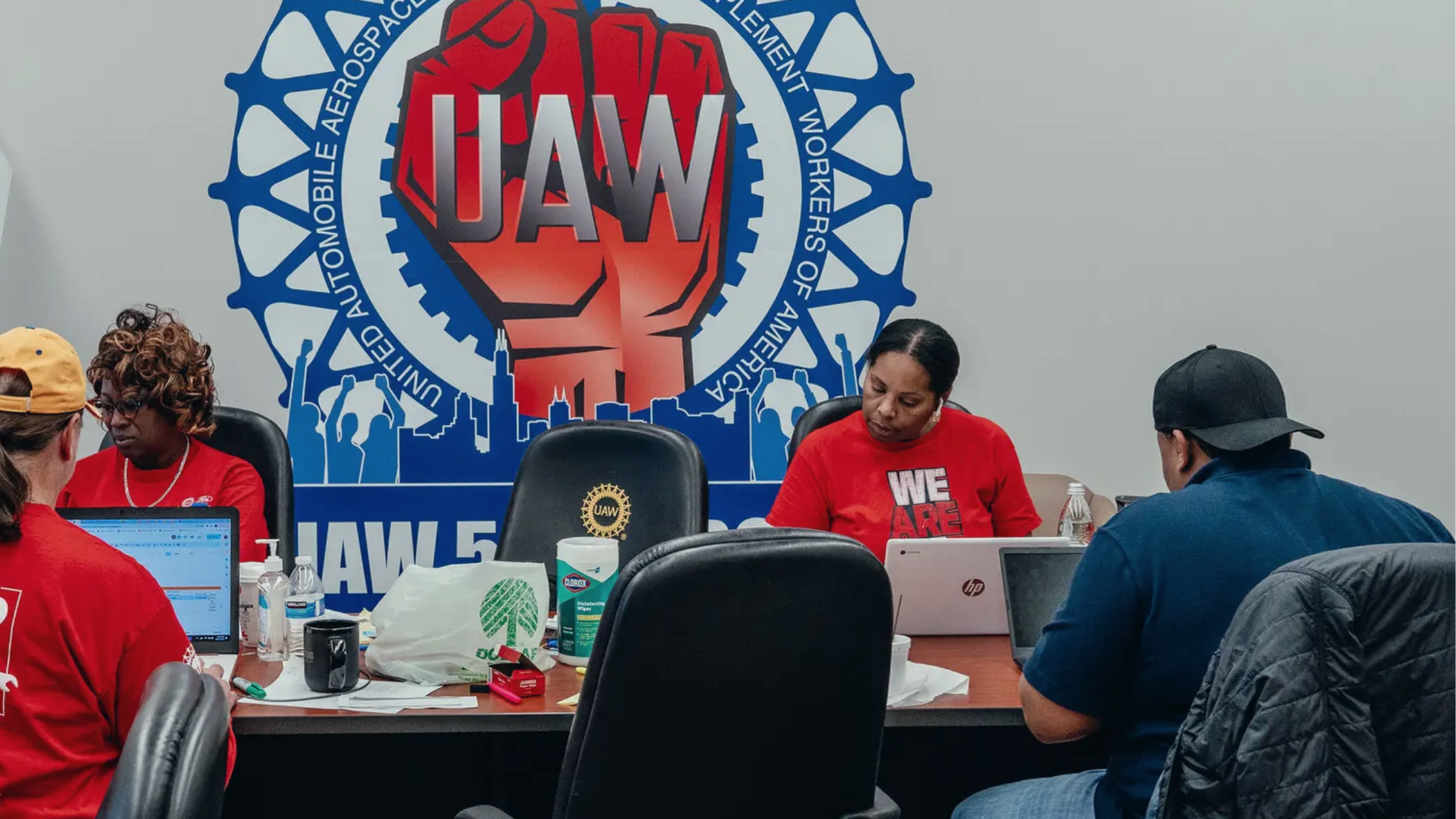
Many UAW locals are holding elections for officers and stewards this April, May and June. If you’re considering running for steward, committeeperson, or any other grievance-handling role, now is the time to familiarize yourself with the rights and responsibilities of union representatives.
Union representatives have special rights, such as attending disciplinary meetings and being protected from retaliation. With these powers also come great responsibilities, such as representing members fairly, knowing your contract, and keeping members informed about their rights.
Last June, we heard from Pat Radtke, President and Chairman of UAW Local 897, and Ian Hayes, a labor attorney in Buffalo, about the rights and responsibilities of union representatives. Here are some highlights on what you need to know about your legal rights as a union representative:
Right to Represent Members on Equal Footing with Management
Union members have a right to representation when called into an investigatory meeting with management where they may face disciplinary action (these are called Weingarten Rights). If a member requests you as their representative, you are entitled not only to be present in these meetings, but also to understand the charges, lead the member through the meeting, and meet privately (caucus) with the member. Don’t be afraid to give the member advice before the meeting on how to respond to questioning. During the meeting, be prepared to object to interrogation by management and speak on the worker’s behalf if needed. Importantly, when acting as a union representative you are elevated to the same equal ground as management and are protected against retaliation. This means that if management raises their voice or uses foul language, you are entitled to do the same.
Right to Obtain Information
In order to defend members and identify potential contract violations effectively, you need to gain access to relevant information. Even before filing a grievance, union representatives have the right to request information such as attendance and disciplinary records, performance evaluations, personnel lists, worker pay, and data on health and safety. If violations of the contract, company policy, past practices, or evidence of unfair treatment is discovered through these requests, representatives have a right to file grievances. An employer’s failure to provide requested information can amount to an Unfair Labor Practice, per the National Labor Relations Act Section 8(d).
Duty of Fair Representation
As a union representative, you have the duty to equally and fairly represent every member when enforcing the contract. Even if you aren’t friends with a member, or have major differences in opinions or beliefs, you must still take their workplace issue seriously and hear them out. When assessing a potential issue, try to set aside personal biases. Instead, consider whether the complaint amounts to a grievance and how you can address the complaint - whether it be through a grievance or another tool at our disposal - to build our union’s power in the long run.
For more details: Watch the full webinar here and check out Robert Schwartz’s bestselling book,The Legal Rights of Union Stewards,on which we based this training.
